Building a Budget Track Car: Using a Datsun 1200 as a Base
You can put a Datsun 1200 on track for roughly eight to ten thousand dollars total if you start with a clean shell and skip anything that adds weight without adding grip. Focus on the suspension and brakes first. Everything else comes later once you have seat time.
Choosing the Shell
Look for a 1970 to 1973 model with minimal rust in the floors and rockers. Pay no more than four thousand for a running example. Bring a magnet and check the rear quarters and battery tray first.
- Verify the VIN matches the chassis tag under the hood
- Test the clutch and brakes on a short drive before buying
- Skip cars with obvious accident damage to the strut towers
Suspension Upgrades
Lower the car two inches with coilovers from a common aftermarket kit made for the B110. Replace the stock rubber bushings with polyurethane ones while the arms are off. Add a front sway bar from a later 510 if you can find one used.
- Remove the old struts and springs
- Install new coilovers and set ride height on the ground
- Torque everything to spec and get a basic alignment at a shop that understands older cars
That order keeps the car balanced without spending on adjustable arms right away.
Brakes and Wheels
| Part | Budget option | Notes |
|---|---|---|
| Front brakes | 240Z calipers and rotors | Bolt-on swap, use 510 pads |
| Rear brakes | Stock drums with better shoes | Keep simple until you add a rear disc kit later |
| Wheels | 13×6 steelies or cheap alloys | Run 175/60R13 tires |
Engine and Weight Savings
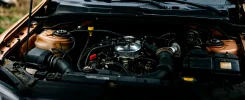
The stock A12 runs fine for your first few events. Add a header, a 2-inch exhaust, and a Weber carb if you have one sitting around. Remove the heater core, spare tire, and jack to drop about 80 pounds. That alone makes a noticeable difference in cornering.
- Check valve clearances every other oil change
- Use 10W-40 oil with zinc additive for the flat tappets
- Keep the radiator and fan stock until the car runs consistently hot on track
First Track Day Checklist
Pack these items the night before:
- Helmet, gloves, and a basic fire extinguisher mounted within reach
- Extra oil, coolant, and a torque wrench
- Tire pressure gauge and a notepad for notes after each session
Arrive early, walk the paddock, and ask the guy running the 1200 or 510 what pressures worked for him. Start with three sessions of 15 minutes each and raise pressures if the front tires go off after five laps. Adjust from there.